 Skip to content
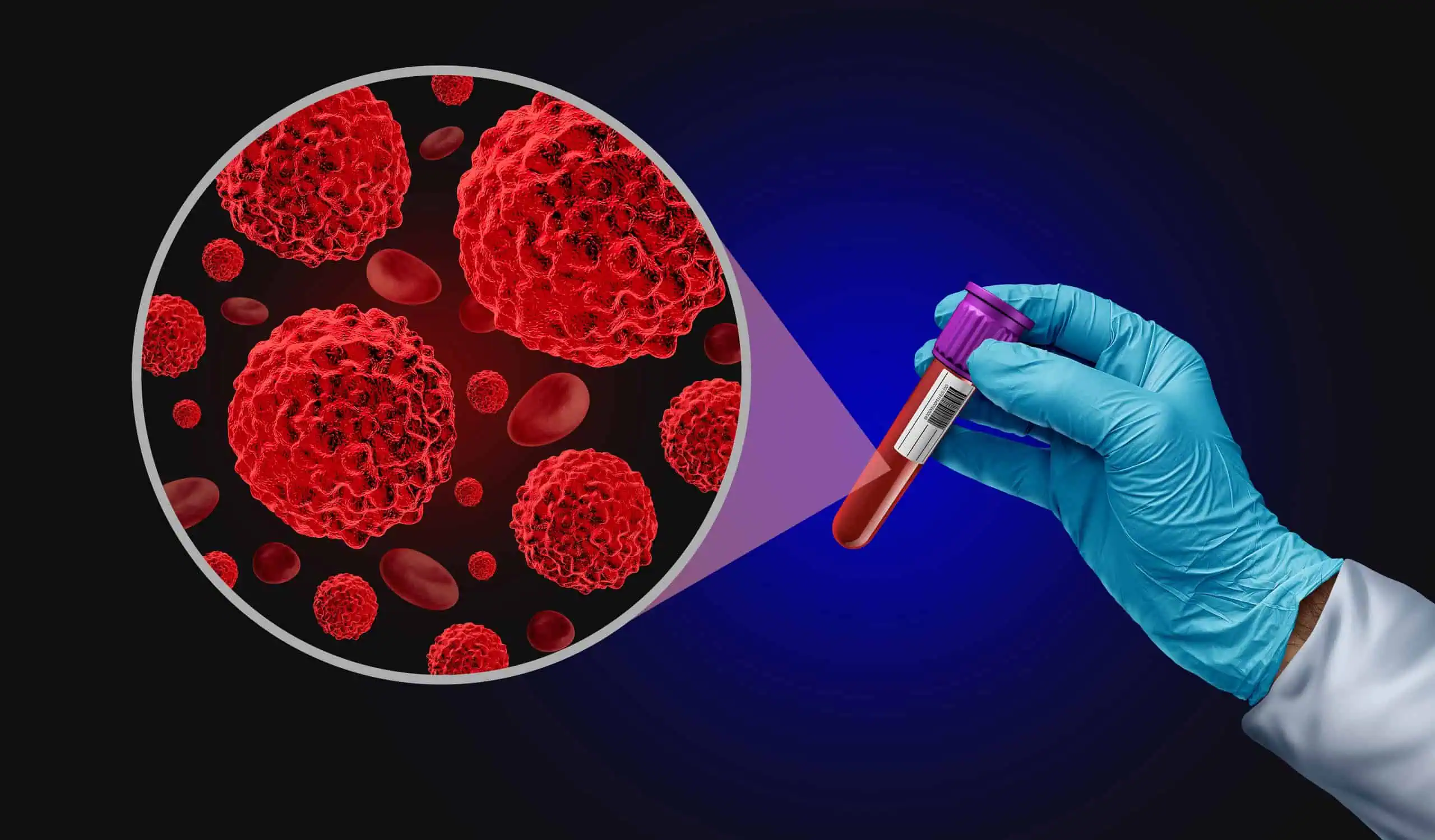
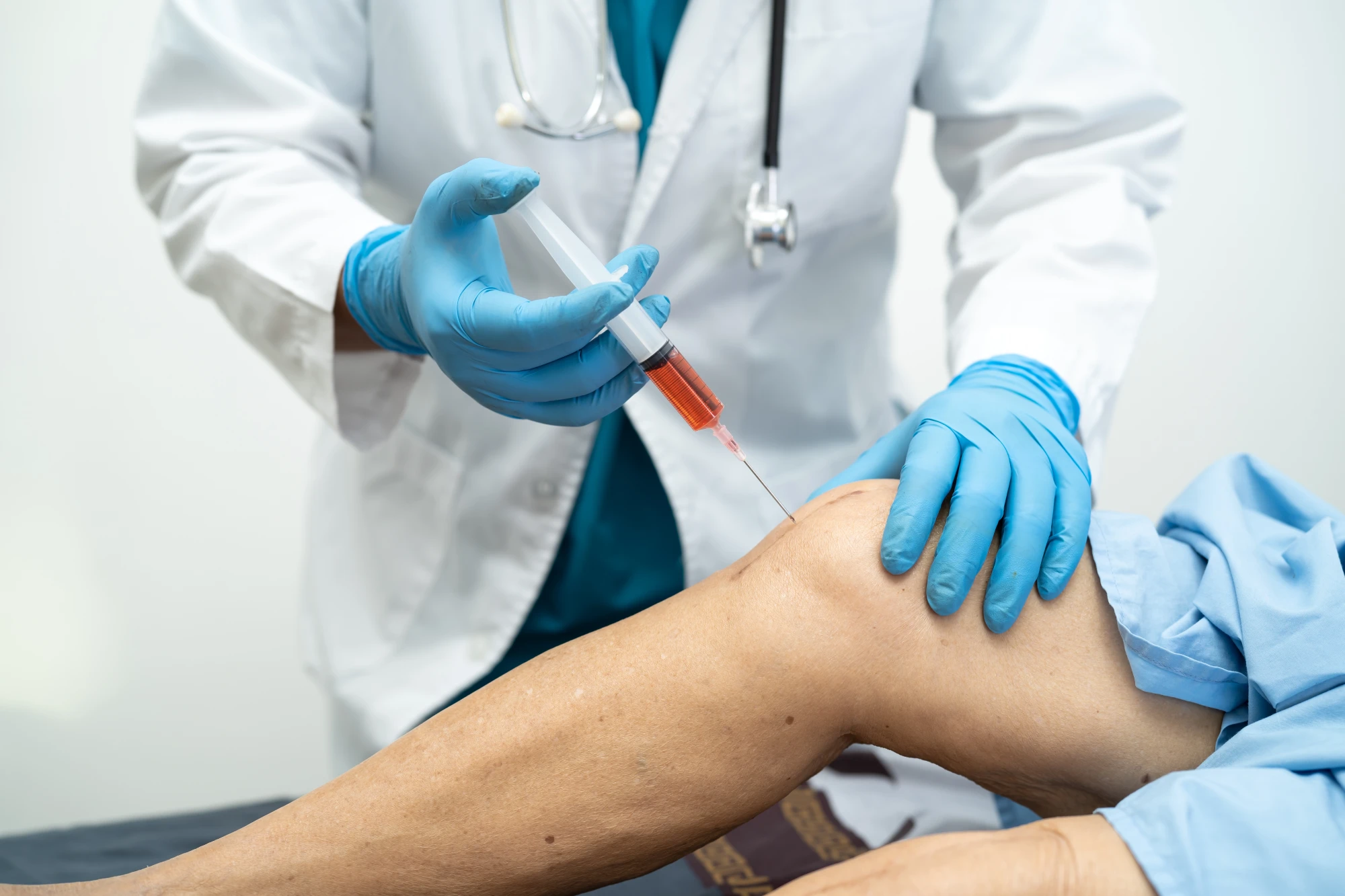


If stem cells come from another person, why doesn’t your immune system immediately recognize them as foreign and reject them?
It is one of the most common questions patients ask about allogeneic stem cell therapy, meaning a treatment involving cells obtained from a donor rather than from the patient’s own body.
The short answer is:
Mesenchymal stromal cells, or MSCs, tend to produce a lower immune response than many other transplanted cell types.
But they are not completely invisible to the immune system.
Research suggests that MSCs have a combination of characteristics that may allow them to avoid or suppress some immune responses, including relatively low expression of certain immune-recognition molecules and the ability to interact with immune cells.
That is very different from saying:
“Your body cannot reject donor MSCs.”
Here’s what the science actually shows.
Table of Contents
Quick Answer: Why Aren’t Donor MSCs Immediately Rejected?
Allogeneic mesenchymal stromal cells have traditionally been described as hypoimmunogenic, meaning they tend to provoke a smaller immune response than many other foreign cells.
Several factors may contribute.
MSC populations commonly:
- Express MHC/HLA class I
- Have very low or absent MHC/HLA class II expression at baseline
- Lack or express very low levels of several costimulatory molecules needed for strong T-cell activation
- Release molecules involved in immune regulation
- Interact with T cells, dendritic cells, natural killer cells, and other immune cells
Research involving umbilical-cord-derived MSCs has demonstrated expression of HLA class I with little or no HLA-DR, a class II molecule, under baseline conditions.
However, those characteristics can change.
Inflammatory signals such as interferon-gamma can increase expression of HLA molecules, including HLA-DR in some MSC populations.
That is why researchers increasingly describe MSCs as:
immune-evasive
rather than:
immune-privileged.
MSCs can still be recognized by the recipient’s immune system under certain circumstances.
Watch: Dr. John Dame and Dr. Rob Kellar Explain Donor Stem Cells
Video Transcript
Dr. John Dame:
A common question that I get from patients is, “This is somebody else’s cells. This is some other source. Why doesn’t my body reject it?”
And I think it’s important, at least, to address the nature of the stem cell and the allogenicity, or lack thereof.
Dr. Rob Kellar:
It’s a great question.
So, all cells in the body have name tags on them.
They have a name tag on their surface, and they’re called cell-surface receptors.
There are two main ones, which are kind of big, long names: major histocompatibility complex one, or MHC I, and major histocompatibility complex two, or MHC II.
Those are like your cells saying, “My cells are John,” and my cells saying, “My cells are Rob.”
And so that expression of those labels on the cell surface happens in the adult situation.
When you’re pulling birth tissue from a young, naive, as the terminology that we use, mesenchymal stem cell, it’s pre-name-tag.
And so you can move it from one patient to another.
Important Context About the Video
Dr. Kellar’s “name tag” analogy is a helpful way to introduce an extremely complicated area of immunology.
But the phrase “pre-name-tag” should not be interpreted literally.
Umbilical-cord-derived MSCs are not completely devoid of immune-identifying molecules.
Studies examining human umbilical-cord MSCs have found that they generally express HLA class I, while HLA class II molecules such as HLA-DR may be very low or absent under baseline conditions.
One study of umbilical-cord-blood-derived MSCs found the cells were:
- Positive for HLA class I
- Negative for HLA-DR at baseline
- Low in important costimulatory molecules
When researchers exposed the cells to interferon-gamma, an inflammatory signaling molecule, both HLA class I and HLA-DR expression increased.
So a more precise version of the analogy would be:
The “name tags” are present differently and may be less likely to trigger a strong immune response than those on many mature adult cell types.
1. What Does Allogeneic Mean?
There are two terms patients commonly encounter when researching cellular therapies.
Autologous
Autologous means the cells or tissue come from the same person receiving the treatment.
Examples may include:
- PRP made from your own blood
- Bone marrow obtained from your own body
- Adipose-derived material obtained from your own body
Because the source and recipient are the same person, the immune system generally recognizes the material as “self.”
Allogeneic
Allogeneic means the cells or tissue come from another human donor.
Umbilical-cord-derived MSC products are therefore allogeneic when they are administered to someone other than the donor.
The question naturally becomes:
Why doesn’t the recipient’s immune system treat those cells like any other foreign tissue?
That brings us to HLA and MHC.
2. How Does the Immune System Recognize Foreign Cells?
Your immune system constantly distinguishes between:
self
and
non-self.
One of the major systems involved is the major histocompatibility complex, or MHC.
In humans, the genes and proteins in this system are usually referred to as:
human leukocyte antigens, or HLA.
These molecules sit on cell surfaces and present information to immune cells.
Dr. Kellar compares them to name tags because they help the immune system identify cells.
That analogy is useful.
The actual process is much more complex.
3. What Are MHC Class I and MHC Class II?
There are two major classes relevant to this conversation.
MHC Class I
In humans, these include HLA molecules such as:
- HLA-A
- HLA-B
- HLA-C
MHC class I is expressed by most nucleated cells in the body.
It presents information to immune cells, particularly CD8-positive T cells.
MHC Class II
MHC class II molecules include proteins such as HLA-DR.
These are particularly important in immune cells that specialize in presenting antigens to T cells.
Higher expression of certain HLA molecules can make mismatched donor cells easier for the recipient’s immune system to recognize.
But HLA expression is only one part of the immune response.
4. Do Umbilical Cord MSCs Have MHC “Name Tags”?
Yes.
This is the main scientific clarification to the video.
Umbilical-cord-derived MSCs are not completely HLA-negative.
Research has found that these MSCs commonly express HLA class I.
However, HLA class II expression, particularly HLA-DR, may be minimal or absent under resting conditions.
This may contribute to their relatively low immunogenicity.
But the environment matters.
Inflammatory stimulation can change HLA expression.
One study found that exposing umbilical-cord-blood-derived MSCs to interferon-gamma increased both HLA class I and HLA-DR expression.
This is one reason scientists cannot simply label MSCs “invisible” to the immune system.
Their interaction with immunity is dynamic.
5. Why Are MSCs Considered Relatively Low-Immunogenic?
HLA expression is only part of the story.
For strong T-cell activation, the immune system often needs more than simply recognizing an unfamiliar HLA molecule.
It also relies on costimulatory signals.
Several studies have found that MSCs have little or no expression of important costimulatory molecules such as:
- CD80
- CD86
- CD40
Researchers have also identified numerous ways MSCs can influence immune-cell behavior.
Umbilical-cord-derived MSCs have been studied for interactions involving:
- T cells
- Dendritic cells
- Natural killer cells
- Cytokine signaling
- Indoleamine 2,3-dioxygenase, or IDO
- Prostaglandin E2
- Other immunoregulatory pathways
For example, research involving human UC-MSCs found very low HLA-DR, absent CD80 and CD86, and mechanisms capable of suppressing certain T-cell responses in laboratory experiments.
This combination may help explain why donor-derived MSCs can sometimes be administered without the intensive immune-suppressing medication required after many organ transplants.
6. Are MSCs Really “Immune Privileged”?
This phrase used to appear frequently in stem-cell research:
immune privileged.
The idea was that MSCs could largely escape immune recognition.
Researchers have become much more cautious with that terminology.
A widely cited review specifically argued that MSCs should be considered:
immune evasive, not immune privileged.
Why?
Because studies have demonstrated that the recipient’s immune system can recognize allogeneic MSCs.
Immune responses may include:
- T-cell responses
- Antibody formation
- Donor-specific anti-HLA antibodies
- Shortened persistence of transplanted cells
A 2024 review similarly concluded that allogeneic MSCs have relatively low immunogenicity but may still undergo immune attack, particularly as their phenotype changes within different inflammatory environments.
So the modern answer is more nuanced:
MSCs may be less likely to provoke strong immune rejection than many other foreign cell types, but they are not completely immune from recognition or rejection.
7. Can Your Body Develop an Immune Response to Donor MSCs?
Yes.
That possibility has been demonstrated in both laboratory and clinical research.
The important question is not simply:
“Can the immune system see them?”
It is:
“How strong is the immune response, how long does it last, and does it affect safety or clinical outcomes?”
Researchers are still working to answer those questions.
8. What Have Human Studies Found?
Human studies help show why the answer is more complicated than either:
“The immune system rejects them.”
or:
“The immune system cannot see them.”
Osteoarthritis and Degenerative Disc Disease
One study analyzed patients from two clinical trials using allogeneic bone-marrow-derived MSCs for knee osteoarthritis and degenerative disc disease.
Researchers evaluated HLA matching and antibodies formed against donor HLA.
Among the knee-osteoarthritis patients evaluated, donor-specific HLA antibodies were detected in 2 of 13 patients.
The reactivity decreased with time.
In the disc study, specific antibodies against the donor MSCs were not detected among the nine patients tested.
Overall, investigators described the immune response as weak and transient.
Interestingly, better HLA matching did not improve clinical efficacy in this small cohort.
The authors specifically cautioned that multiple-dose treatments require further study because repeated exposure could potentially lead to sensitization.
ACL Reconstruction Study
Another randomized study evaluated allogeneic mesenchymal precursor cells after ACL reconstruction.
Researchers monitored antibodies against HLA molecules.
Some treated patients developed temporary increases in class I panel-reactive antibodies, which later decreased toward baseline. No cell-related serious adverse effects were reported in the small trial.
These studies reinforce an important point:
An immune response can occur without looking like the dramatic rejection associated with an incompatible organ transplant.
9. Do Donor MSCs Need to Be HLA-Matched?
Not necessarily in the same way as an organ or hematopoietic stem-cell transplant.
Allogeneic MSC clinical trials have often used unmatched donor cells.
In the osteoarthritis and degenerative-disc study discussed above, researchers did not find better clinical outcomes among patients with closer donor-recipient HLA matching.
However, that result should not be generalized too broadly.
It came from a small number of patients receiving particular allogeneic bone-marrow MSC products in specific clinical settings.
It does not mean:
- HLA never matters
- Every donor cell can be given to every recipient
- All cell products behave identically
- Repeated dosing carries no immune risk
Different cell types and transplant procedures have very different immunological requirements.
10. Does Birth Tissue Make Cells Automatically Compatible?
No.
This is another important distinction.
Birth-tissue-derived MSCs are often described as:
- Young
- Naive
- Developmentally early
- Relatively low-immunogenic
Those descriptions refer to biological characteristics that researchers are actively studying.
They should not be translated into:
“Birth tissue has no immune identity.”
Umbilical-cord-derived MSCs can express HLA class I. Their immune characteristics can also change in response to environmental signals.
Research does suggest that UC-MSCs possess characteristics that may make them attractive for allogeneic applications, including low baseline HLA-DR and important immunomodulatory effects.
But:
lower immunogenicity does not mean zero immunogenicity.
11. Is This the Same as an Organ Transplant?
No.
Someone who receives a kidney, heart, or other solid organ is receiving a complex structure containing many different cell populations and strong donor HLA signals.
Organ recipients often require long-term immunosuppressive medications specifically to prevent rejection.
MSC administration is biologically different.
MSC therapies involve a cell population rather than an entire vascularized organ, and the cells have distinct immunological characteristics.
There is also evidence suggesting that MSCs may not remain permanently in the body.
Researchers have proposed a “hit-and-run” model in which cells may exert effects through temporary signaling and immune interactions rather than permanently engrafting and rebuilding tissue.
That creates a very different immunological situation from trying to keep a donor kidney functioning for decades.
12. Why Does the Inflammatory Environment Matter?
Another interesting part of MSC biology is that their immune behavior may change based on the environment around them.
Inflammatory cytokines can alter:
- HLA expression
- Immunoregulatory molecules
- Cytokine secretion
- Interaction with T cells
- Interaction with natural killer cells
Research involving umbilical-cord-derived cells has demonstrated that interferon-gamma exposure can increase HLA expression while simultaneously altering other immunoregulatory mechanisms.
This is another reason “immune privileged” is too simple.
MSCs are responsive biological cells.
Their behavior can change based on the environment they encounter.
13. Can Repeated Treatments Change the Immune Response?
Possibly.
This remains an important research question.
A single exposure may not produce the same immune response as repeated exposures.
Preclinical research has shown that conditions such as:
- Repeated dosing
- Inflammatory environments
- Activation of the cells
can increase immunogenicity in some models.
The human HLA-matching study likewise concluded that while its findings supported unmatched allogeneic cells in the single-dose setting examined, multiple-dose applications require additional research regarding sensitization.
That means clinics should be cautious about claiming that repeated donor-cell treatments carry absolutely no immune considerations.
14. Does Lower Immunogenicity Mean the Treatment Is Safe or Effective?
No.
These are separate questions.
A product could have low immunogenicity without being clinically effective for a particular condition.
Likewise, avoiding a major immune reaction does not establish that a product is:
- FDA-approved
- Effective
- Properly manufactured
- Sterile
- Appropriate for the patient’s diagnosis
The FDA continues to state that regenerative medicine products marketed for orthopedic conditions such as osteoarthritis, tendonitis, disc disease, knee pain, shoulder pain, and back pain have not been approved for those uses.
The FDA also identifies unwanted inflammatory or immune responses as one of the potential risks associated with unapproved regenerative medicine products.
So immunogenicity should be one part of a much larger product and safety discussion.
15. What Should Patients Ask About Donor-Derived Stem Cell Products?
If you are considering treatment involving an allogeneic product, ask:
What is the tissue source?
Is it derived from:
- Umbilical cord tissue?
- Cord blood?
- Bone marrow?
- Another donor tissue?
These are not interchangeable.
What type of cells are actually present?
Ask how the cell population was characterized.
Is the product intended to contain viable cells?
If so, ask about:
- Cell identity
- Viability
- Testing
- Storage
- Thawing
- Final preparation
What immune markers have been characterized?
If the provider is making specific claims about immune compatibility, ask what testing supports those claims.
Is donor screening performed?
Donor-derived human tissue requires appropriate screening and manufacturing controls.
What happens if I have an immune reaction?
The provider should be able to explain potential complications and how they would be managed.
Is HLA matching performed?
If not, ask why it is considered unnecessary for that specific product and procedure.
What is the FDA status?
FDA registration, donor screening, or laboratory testing does not automatically mean the product is FDA-approved for the condition being treated.
Frequently Asked Questions
What does allogeneic stem cell therapy mean?
Allogeneic means the biological material comes from another human donor rather than from the patient receiving treatment.
Umbilical-cord-derived MSC products are therefore allogeneic when administered to another person.
Why doesn’t my body reject someone else’s stem cells?
Allogeneic MSCs tend to be relatively low-immunogenic compared with many other transplanted cell types.
They generally have low baseline expression of certain immune-recognition molecules, lack several important costimulatory molecules, and can interact with immune cells in immunomodulatory ways.
However, immune recognition and antibody formation can still occur.
Are umbilical cord stem cells immune privileged?
“Immune privileged” is now considered an oversimplification.
Researchers increasingly describe MSCs as immune-evasive or hypoimmunogenic because studies have demonstrated that allogeneic MSCs can still induce immune responses.
Do umbilical cord MSCs have HLA markers?
Yes.
Human umbilical-cord MSC research has demonstrated HLA class I expression.
HLA-DR, a class II molecule, is often very low or absent under resting conditions but may increase after inflammatory stimulation.
Are birth-tissue MSCs “pre-name-tag”?
Not literally.
That phrase is a simplified analogy.
Birth-tissue-derived MSCs still express immune-related surface molecules. Their pattern of expression and immunomodulatory characteristics may make them less immunogenic than many other mature cell populations.
Can your immune system reject donor MSCs?
It can recognize and respond to them.
Studies have demonstrated cellular and antibody responses against mismatched allogeneic MSCs in some circumstances.
The severity and clinical importance of that response varies and remains an active area of study.
Can people develop antibodies after allogeneic MSC treatment?
Yes.
Some human clinical studies have detected donor-specific anti-HLA antibodies after allogeneic MSC treatment.
In one small study involving osteoarthritis and degenerative disc disease, the responses detected were weak and decreased over time.
Do stem cells need to be blood-type matched?
The immune compatibility of a cellular product cannot be reduced simply to standard ABO blood type.
HLA and other aspects of immunology are more relevant to cell and tissue transplantation.
The requirements also differ dramatically depending on the type of transplant or cell product.
Do allogeneic MSCs need to be HLA-matched?
Many allogeneic MSC clinical studies have administered cells without conventional HLA matching.
One small study involving osteoarthritis and degenerative-disc patients found that closer HLA matching did not improve outcomes.
That finding does not establish that matching is irrelevant for every cell product or treatment.
Can repeated donor stem cell treatments increase immune sensitization?
Potentially.
Both preclinical research and clinical investigators have raised questions about sensitization following repeated exposure.
More research is needed to understand the significance of repeated allogeneic MSC administration.
Is donor stem cell therapy FDA-approved for joint pain?
No.
The FDA states that regenerative medicine products have not been approved for orthopedic conditions such as osteoarthritis, tendonitis, disc disease, knee pain, back pain, shoulder pain, hip pain, neck pain, or tennis elbow.
“Low Immunogenicity” Is More Accurate Than “No Rejection”
The immune biology of allogeneic MSCs is one of the reasons these cells have attracted so much scientific interest.
They appear to interact with the immune system very differently from many other transplanted cells and tissues.
But the most accurate explanation is not:
“Your immune system can’t see them.”
It is:
“These cells tend to have relatively low immunogenicity and possess immunomodulatory characteristics that may allow them to evade or limit some immune responses, although immune recognition can still occur.”
That distinction matters.
At The Re/ Clinic in Sandy, Utah, patients considering donor-derived regenerative products should have the opportunity to ask questions about:
- Tissue source
- Donor screening
- Cell characteristics
- Processing
- Product testing
- Immune considerations
- Regulatory status
- Available research
- Risks and alternatives
Schedule a consultation with The Re/ Clinic to discuss regenerative medicine and whether it may be appropriate for your individual condition.
Call: 385-240-1000
Location: 9035 S 700 E, Sandy, UT 84070
References
- Ankrum JA, Ong JF, Karp JM. Mesenchymal stem cells: immune evasive, not immune privileged. Nature Biotechnology. 2014. This review discusses evidence that allogeneic MSCs can provoke immune responses despite historically being described as immune privileged.
- Cho PS, Messina DJ, Hirsh EL, et al. Immunogenicity of umbilical cord tissue derived cells. Blood. Research demonstrated that immune behavior of donor-derived umbilical tissue cells can change in inflammatory environments and with repeated exposure.
- Lee M, et al. Immunological properties of umbilical cord blood-derived mesenchymal stromal cells. Cellular Immunology. 2008. Human UCB-MSCs expressed HLA class I while remaining HLA-DR negative at baseline; inflammatory stimulation increased HLA expression.
- Tipnis S, et al. Immunosuppressive properties of human umbilical cord-derived mesenchymal stem cells: role of B7-H1 and IDO. Immunology and Cell Biology. 2010. Research examining immune-regulatory mechanisms of UC-MSCs.
- García-Sancho J, Sánchez A, Vega A, et al. Influence of HLA Matching on the Efficacy of Allogeneic Mesenchymal Stromal Cell Therapies for Osteoarthritis and Degenerative Disc Disease. Transplantation Direct. 2017. This clinical analysis found weak, transient immune responses and no improvement in efficacy with closer HLA matching in the small cohort studied.
- Safety, tolerability, clinical, and joint structural outcomes of a single intra-articular injection of allogeneic mesenchymal precursor cells following ACL reconstruction. Randomized clinical research included monitoring for anti-HLA antibodies and demonstrated temporary immune sensitization in some participants.
- Unveiling the immunogenicity of allogeneic mesenchymal stromal cells: Challenges and strategies for enhanced therapeutic efficacy. 2024. Contemporary review of MHC expression, immune attack, inflammatory environments, and allogeneic MSC immunogenicity.
- U.S. Food and Drug Administration. Important Patient and Consumer Information About Regenerative Medicine Therapies. Current federal information regarding unapproved regenerative medicine products, immune risks, and FDA approval status.
- Utah Code § 58-1-512. Stem Cell Disclosure. Effective May 6, 2026. Utah requires specified disclosure for applicable non-FDA-approved stem cell therapies and advertisements.