 Skip to content


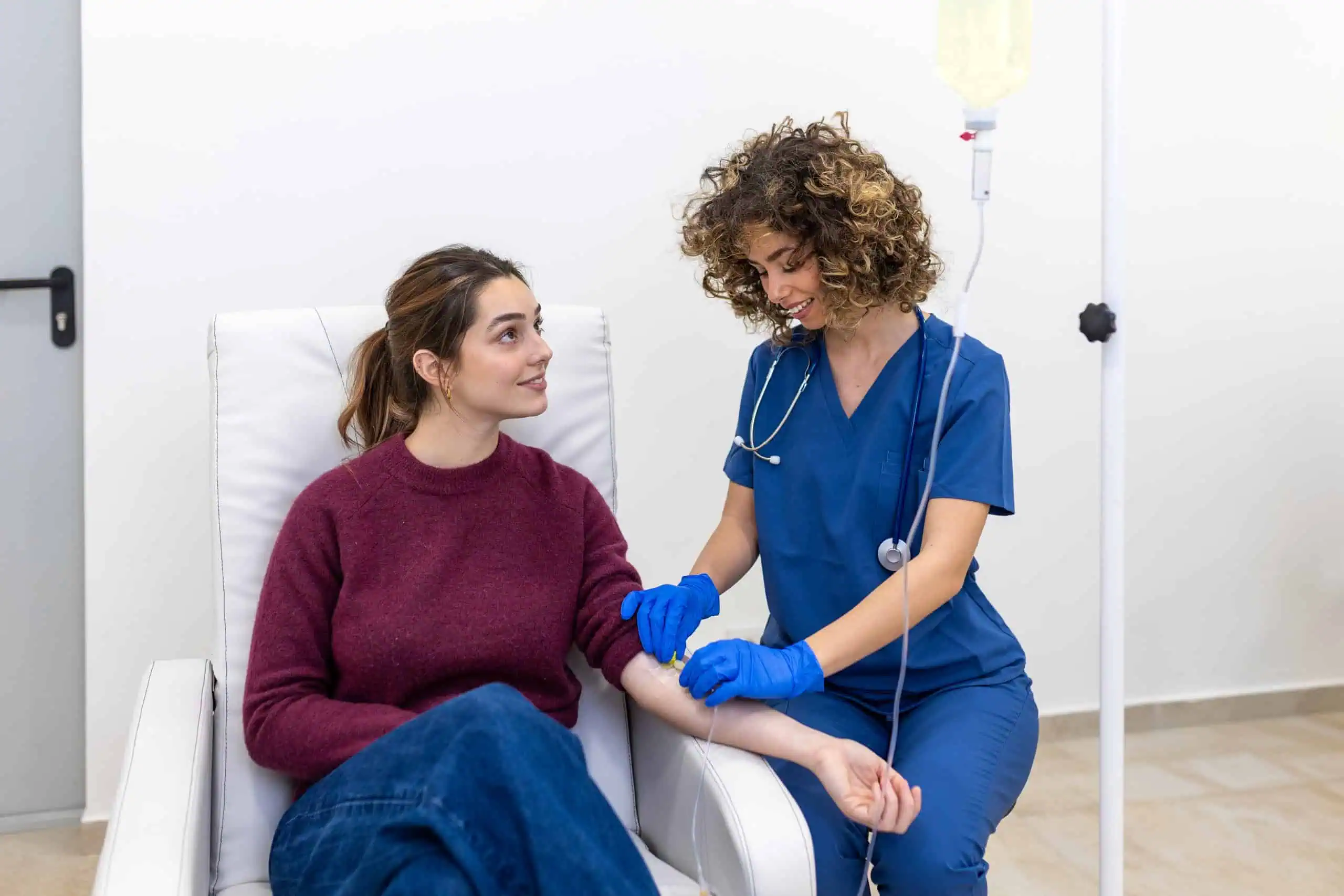


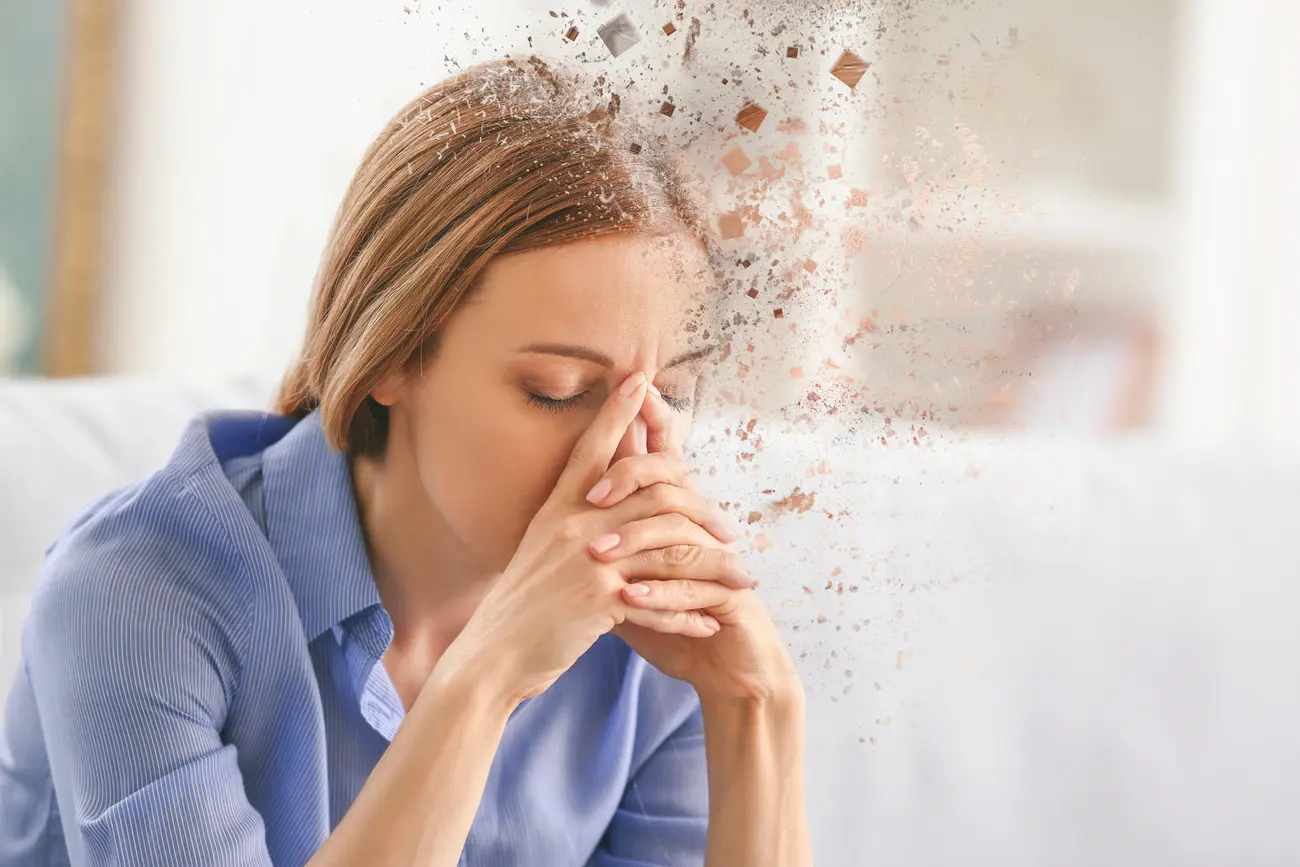
Table of Contents
Stress can affect far more than your mood. It can also show up on your skin through unexpected breakouts, flare-ups, redness, itching, or delayed healing. Many people notice these changes during demanding periods in their lives without realizing there is a biological connection between emotional well-being and skin health.
At The Re/Clinic, we take a whole-person approach to care. Looking at both physical and emotional health can help uncover factors that may be contributing to persistent skin concerns while supporting your overall wellness.
Can stress cause skin problems?
Yes. Stress can contribute to skin problems by increasing stress hormones that influence inflammation, oil production, and the skin’s protective barrier. While stress is not always the sole cause of a skin condition, it can make existing concerns worse and may trigger flare-ups in some individuals.
How Mental Health and Skin Health Are Connected
The skin and brain communicate more closely than many people realize. When the body experiences stress, it releases hormones that prepare you to respond to challenges. While this response can be helpful in short bursts, ongoing stress may affect many body systems, including the skin.
Long-term emotional strain may influence:
- Oil production
- Skin barrier function
- Immune responses
- Healing after irritation or injury
- Overall skin sensitivity
This helps explain why someone experiencing chronic stress may suddenly notice changes in their complexion even if their skincare routine has not changed.
The Role of Cortisol Levels in Skin Changes
One of the primary hormones involved in the stress response is cortisol. It helps regulate many normal body functions, but persistently elevated levels may contribute to skin changes.
Higher cortisol may:
- Increase oil production, which contributes to acne
- Make skin feel more reactive
- Slow the skin’s natural repair process
- Affect hydration and barrier function
Over time, these changes can leave skin looking dull or feeling more irritated than usual. While cortisol is only one piece of the puzzle, it helps explain why stressful periods often coincide with skin flare-ups.
How Stress Can Trigger Common Skin Concerns
Stress affects everyone differently. Some people develop new symptoms, while others notice existing conditions becoming harder to manage.
Common examples include:
Acne Breakouts
Increased oil production, combined with inflammation, can create an environment in which blemishes develop more easily.
Eczema
People with eczema often notice increased itching and irritation during emotionally stressful periods.
Psoriasis
Stress is a well-recognized trigger that may contribute to psoriasis flare-ups in some individuals.
Rosacea
Many individuals living with rosacea report increased facial redness during stressful situations.
Slower Healing
Cuts, blemishes, and other minor skin injuries may take longer to recover when the body is under prolonged stress.
Understanding Inflammation and Skin Health
One reason stress affects the skin is its relationship with inflammation and skin health.
Inflammation is part of the body’s normal defense system, but prolonged stress may influence inflammatory pathways that affect both internal health and the skin. Increased inflammation can contribute to redness, swelling, sensitivity, and discomfort in certain skin conditions.
Reducing sources of chronic stress may support healthier inflammatory responses alongside appropriate medical care and skincare treatments.
Why Stress-Induced Skin Irritation Happens
Stress-induced skin irritation often develops because stress can weaken the skin’s natural protective barrier.
When that barrier becomes less effective, skin may:
- Lose moisture more easily
- Feel dry or tight
- Become more sensitive to skincare products
- React more noticeably to environmental triggers
This is why someone who has always tolerated certain products may suddenly notice stinging, redness, or irritation during particularly stressful periods.
Supporting Skin From the Inside Out
Healthy skin often reflects overall health. While skincare products remain important, lifestyle habits can also play a meaningful role.
Helpful strategies may include:
- Prioritizing consistent sleep
- Staying physically active
- Eating a balanced diet
- Drinking enough water
- Practicing stress management techniques
- Seeking professional support when emotional stress becomes difficult to manage
These habits may not eliminate every skin concern, but they can complement professional treatment plans.
How The Re/ Clinic Supports Emotional Wellness
Because emotional health and physical health are closely connected, addressing stress may also support overall wellness.
At The Re/ Clinic, our mental health services are designed to help patients experiencing conditions such as depression, anxiety, post-traumatic stress disorder, and other mood-related concerns. Treatment plans are personalized based on each individual’s needs and goals.
For appropriate candidates, we also offer IV Ketamine Therapy, which is used under medical supervision as part of a comprehensive mental health treatment plan. While this therapy is not a skin treatment, improving emotional well-being may positively influence overall health, including factors that affect the skin.
Hormone Health May Also Influence the Skin
Stress is not always the only reason skin changes occur. Hormonal imbalances can also contribute to acne, dryness, changes in skin texture, and other concerns.
At The Re/Clinic, we provide Hormone Balance Treatments for patients experiencing symptoms of hormonal changes. A personalized evaluation can help determine whether hormonal factors may be contributing to both physical symptoms and overall well-being.
A Whole-Person Approach to Wellness in Sandy, UT
People often focus only on treating visible skin symptoms, but long-term wellness may involve looking at what is happening beneath the surface.
Our team believes that supporting emotional health, hormone balance, and overall wellness can complement healthy lifestyle habits and appropriate skincare. Patients interested in IV Ketamine Therapy in Sandy, UT, or hormone care receive individualized evaluations that consider their complete health picture rather than a single symptom.
Healthier Skin Often Starts With Better Overall Wellness
Stress can influence your skin through hormonal changes, inflammation, and alterations to your skin’s protective barrier. Addressing those underlying factors may support healthier skin while also improving overall well-being. At The Re/Clinic, we work with each patient to create a personalized care plan that supports both physical and emotional health. If you are ready to take the next step, book a consultation to boost your skin and mental health.
If ongoing stress, mood changes, or hormone concerns may be affecting your overall wellness, our team is here to help. Contact The Re/Clinic to schedule a consultation and learn more about our personalized mental health therapies and hormone balance services.